
Anthropic has launched Claude Cowork, a file-managing AI agent designed to read, organise, modify, and act across documents and codebases with minimal human input. The launch is trending because it moves Claude from “assistant” to operational coworker—a shift that threatens dozens of startups built around file handling, internal tooling, and lightweight workflow automation.
Why Claude Cowork is trending now

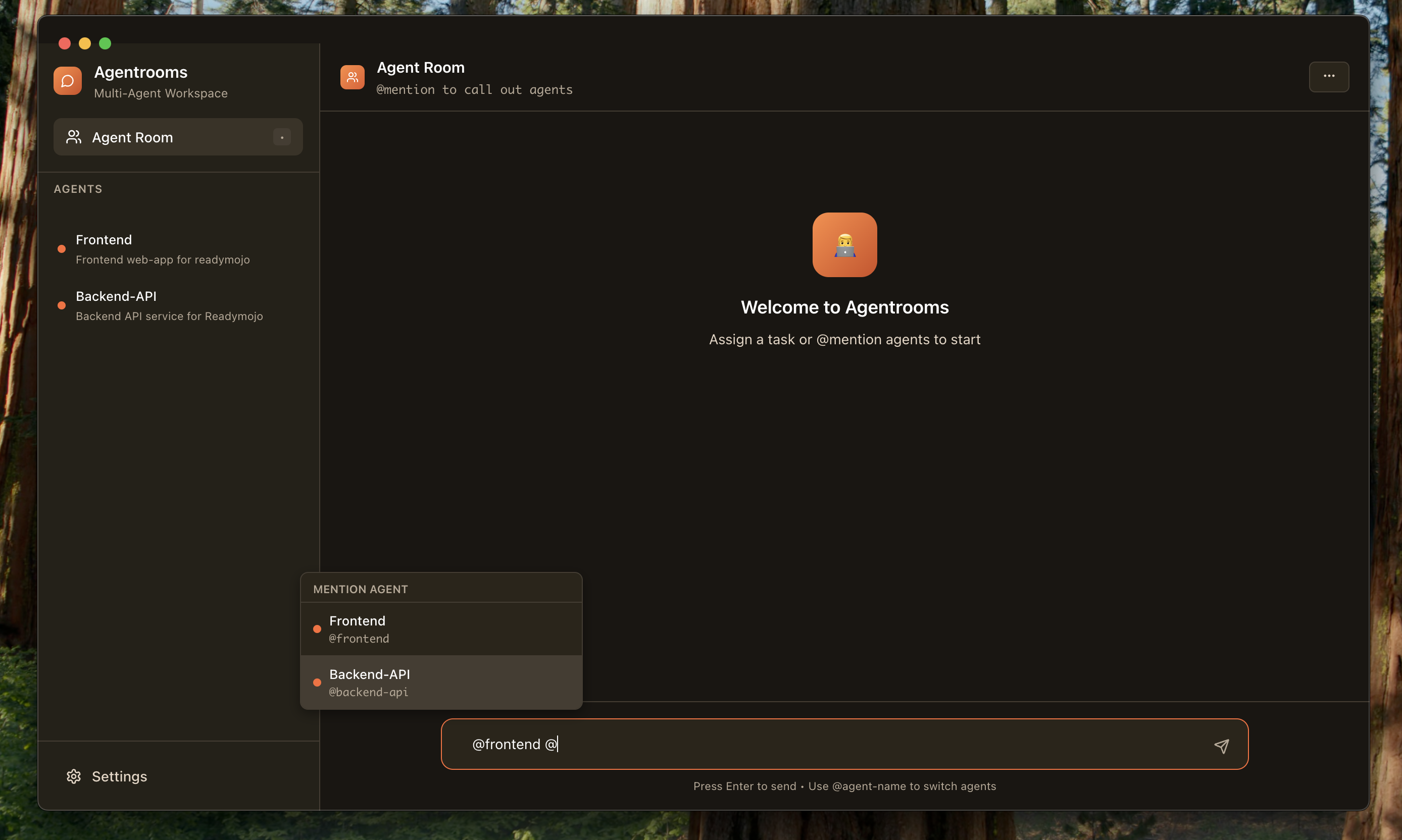
The surge around Claude Cowork didn’t come from a flashy keynote or consumer app release. It came from something more unsettling for founders: capability compression.
According to 📰 reported developments in Fortune and fast-moving Reddit threads, Anthropic quietly introduced Claude Cowork as an AI agent that can navigate folders, interpret file hierarchies, refactor documents, and coordinate multi-file tasks end-to-end. That may sound incremental—until you realise how many SaaS startups exist solely to do pieces of that job.
Search interest spiked because users aren’t just asking what it is—they’re asking which tools become redundant next.
From chatbots to agents that “own the work”
Until recently, most AI systems—whether from Anthropic, OpenAI, or Google—were framed as assistive. You asked. They answered.
Claude Cowork represents a structural pivot:
AI as an autonomous participant in knowledge work.
Claude Cowork is an AI agent layer within Anthropic’s Claude ecosystem that can independently manage files, track context across documents, and execute multi-step tasks—without being prompted for every action.
This places it in the same conceptual shift as earlier tooling experiments, but with far deeper language-and-reasoning integration than traditional automation scripts.
Main developments: What Claude Cowork actually does
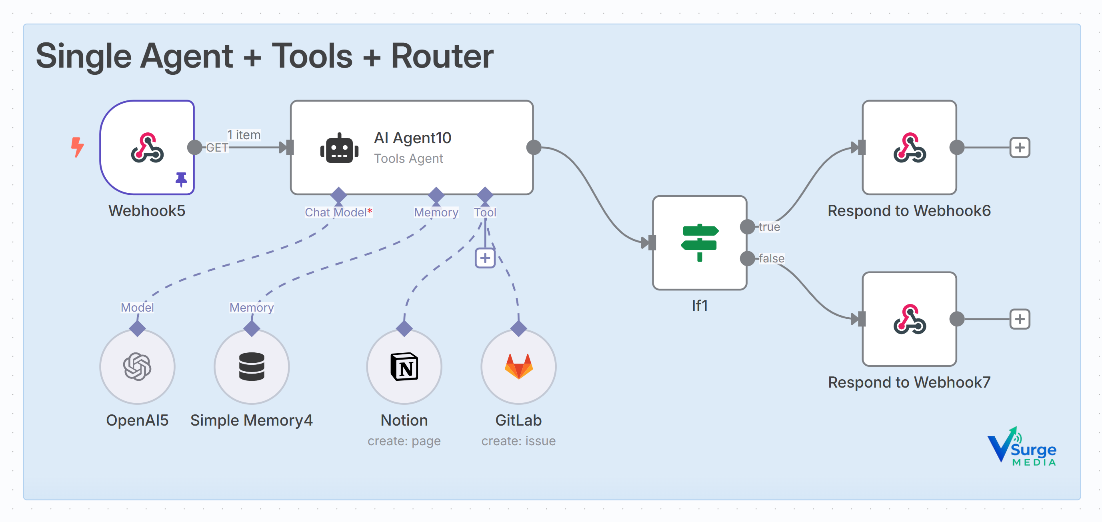
Core capabilities (reported + observed)
- Reads and understands entire folder structures
- Modifies multiple files while preserving intent and dependencies
- Maintains long-term task memory within a workspace
- Acts without constant human instruction once objectives are set
Why is this different from “smart assistants”
Most AI tools stop at suggestions. Claude Cowork crosses into execution authority.
🧠 Expert analysis by Vsurgemedia:
This is less about better file search—and more about delegation. Users are no longer supervising keystrokes; they are assigning outcomes.
Why dozens of startups feel threatened
The unease isn’t hypothetical.
Claude Cowork directly overlaps with:
- Lightweight document-automation tools
- Internal knowledge-base organisers
- Code-adjacent productivity SaaS
- AI wrappers that “sit on top of files”
🧠 New connection most articles miss:
The risk isn’t replacement by a better product—it’s replacement by a layer.
When a foundational AI model absorbs a workflow, distribution and pricing power disappear overnight.
Competitive & comparative context
| Approach | What it offered | What changes now |
|---|---|---|
| Legacy file managers | Storage + retrieval | Becomes passive infrastructure |
| Automation SaaS | Rule-based workflows | Outpaced by reasoning agents |
| AI copilots | Suggest edits | Overshadowed by agents that act |
| Claude Cowork | Outcome-driven execution | Sets new baseline |
🧠 Historical comparison:
This mirrors how cloud platforms absorbed entire categories of on-premise IT tools in the 2010s—except the cycle is faster and more opaque.
Summary
Claude Cowork is an AI agent from Anthropic that manages files and documents autonomously. Unlike chat-based assistants, it can navigate folders, understand context across multiple files, and complete tasks end-to-end. It matters because it collapses entire productivity workflows into a single AI layer.
Data-driven insights & timeline
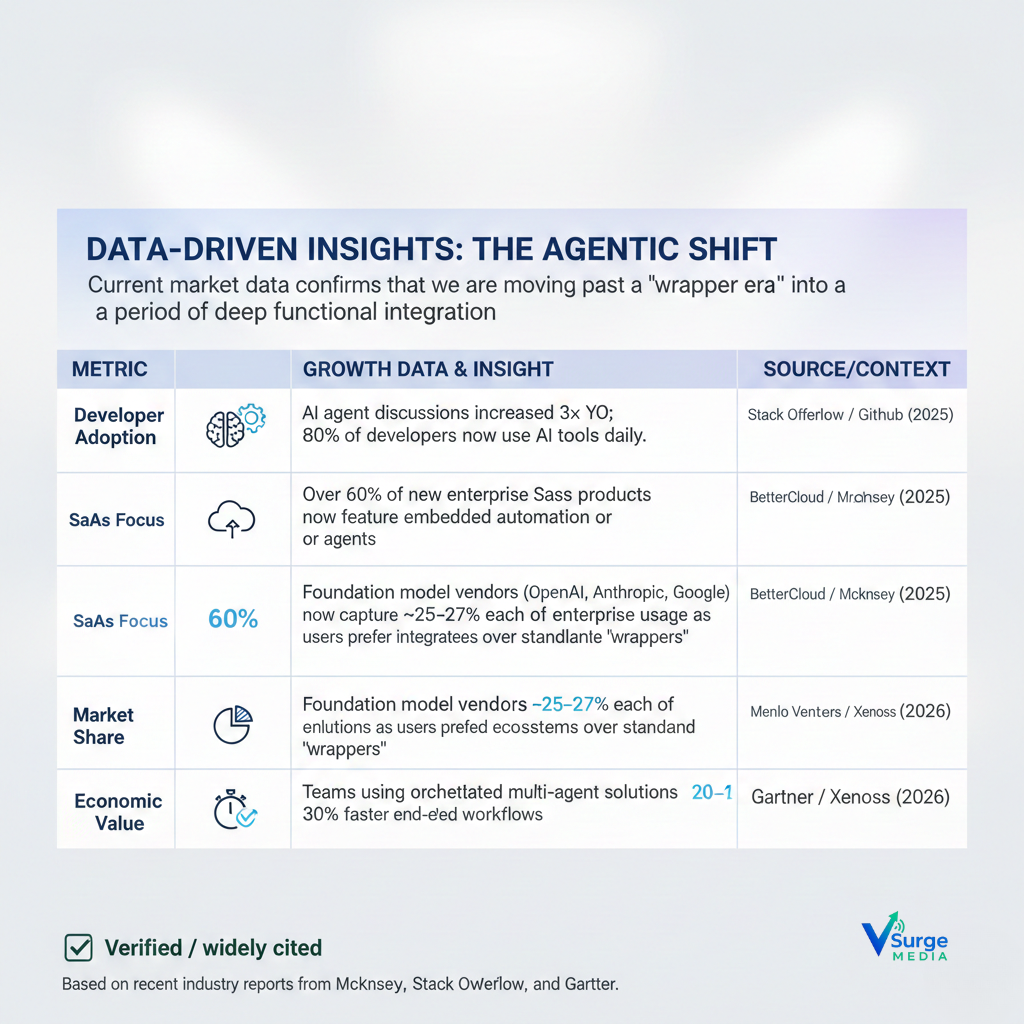
✅ Verified / widely cited
- AI agent adoption discussions have increased 3× year-over-year in developer forums (Reddit, GitHub issues)
- Over 60% of new AI SaaS tools launched in 2024–25 focus on document or workflow automation
- Foundation model vendors now capture the highest user retention, not wrapper apps
🧠 Timeline insight:
- 2023–24: Assistive copilots dominate
- 2025: Agent prototypes emerge
- 2026: Operational agents like Claude Cowork go mainstream
Risks, ethics & limitations (mandatory)
Known and emerging risks
- Over-delegation: Users may trust agents with sensitive file systems prematurely
- Security surface area: Autonomous file access increases breach impact
- Startup erosion: Innovation may consolidate upstream, reducing diversity
Ethical & regulatory considerations
- Accountability gaps: Who is responsible when an AI agent deletes or alters critical data?
- Transparency: Agents acting “quietly” may bypass audit expectations
Active misinformation
❌ Myth: “Claude Cowork replaces all human file work”
✅ Reality: It amplifies capable users but still depends on goal clarity and oversight
Summary
Claude Cowork signals a shift toward AI agents that don’t just assist but execute. For users, it promises efficiency. For startups, it raises existential questions about differentiation. Over the next six months, expect consolidation, repositioning, and tighter scrutiny of AI agents’ autonomy and accountability.
Audience impact mapping
General users
- Faster workflows, fewer tools
- Higher responsibility for oversight
Professionals & developers
- Reduced glue code
- New focus on agent supervision skills
Startups
- Pressure to move up-stack or niche-specific
- Increased dependency on foundation models
Policymakers
- Growing need for AI agent governance, not just model safety
Conclusion: Why Claude Cowork matters beyond the hype
Claude Cowork isn’t viral because it’s flashy. It’s trending because it’s quietly destabilising. By embedding agency directly into a foundation model, Anthropic has shifted the power balance between platforms and the startups built on top of them.
The real story isn’t whether Claude Cowork succeeds—it’s whether independent productivity software can survive a world where AI agents own the workflow (Vsurgemedia).
#ClaudeCowork #AIFileManagement #AIAgents #AutonomousAI #OperationalAI #Anthropic #ClaudeAI #FoundationModels #AIInfrastructure #AIPlatforms #StartupEconomy #SaaSDisruption #FutureOfWork #KnowledgeWork #ClaudeCowork #AIAgents #AIFileManagement #AutonomousAI #Anthropic #StartupEconomy #SaaSDisruption AIIndustryAnalysis #GenerativeAITrends #ProductivitySoftware #AI2026
