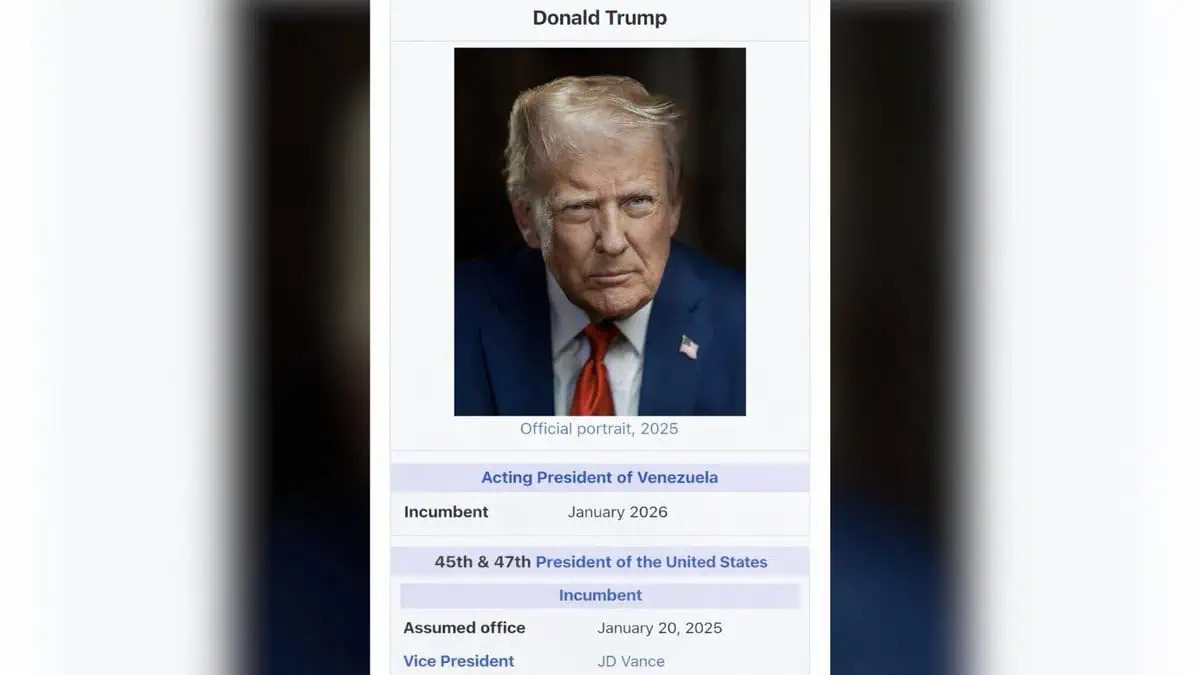
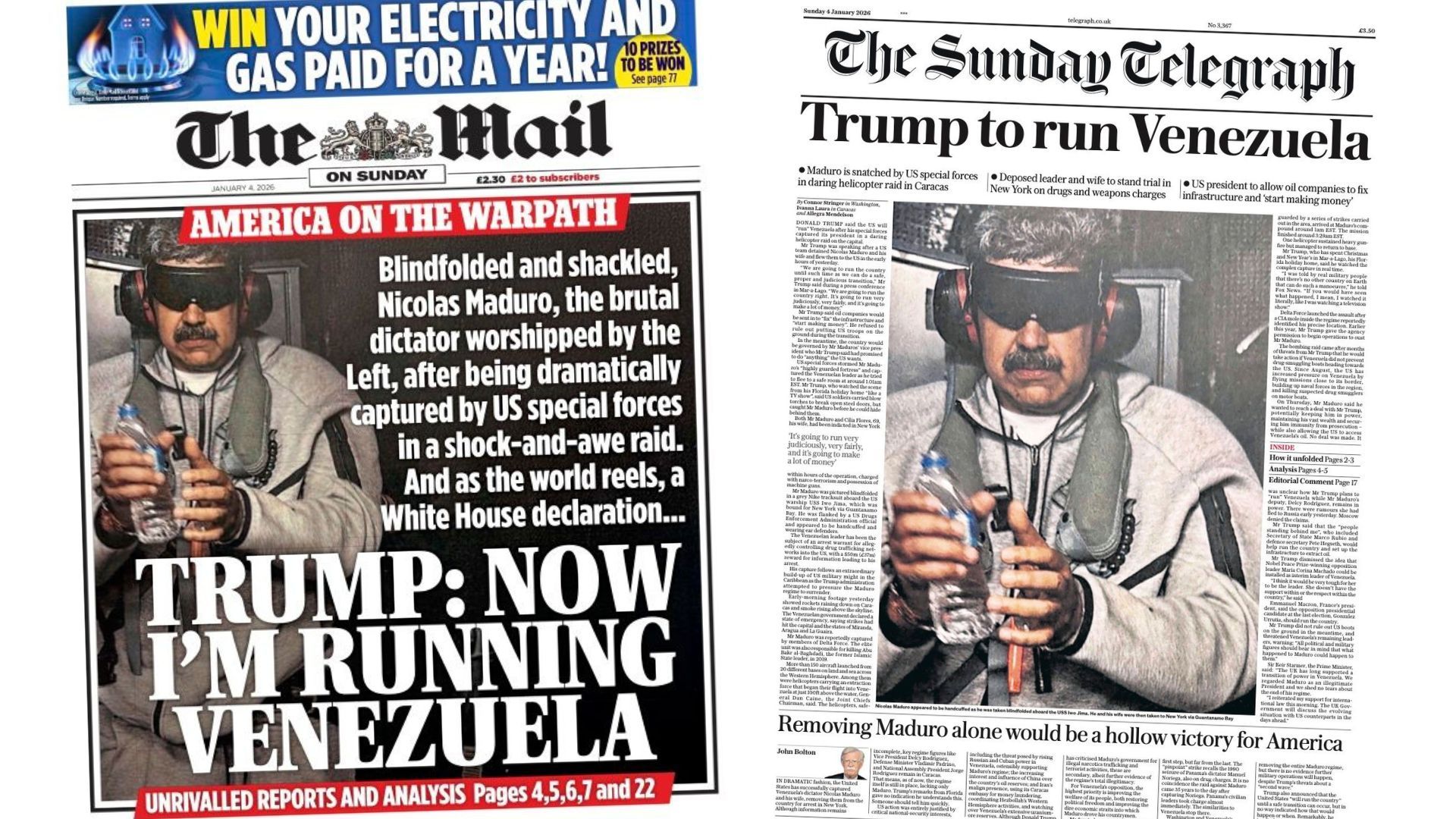
Former U.S. President Donald Trump ignited global controversy after posting that he was the “acting president of Venezuela,” a claim made on his social media platform following reports of turmoil surrounding Venezuela’s leadership. The remark—widely interpreted as symbolic and provocative—has fueled diplomatic debate, viral discourse, and renewed scrutiny of U.S.–Venezuela relations at a volatile geopolitical moment.
What’s happening—and why it’s trending
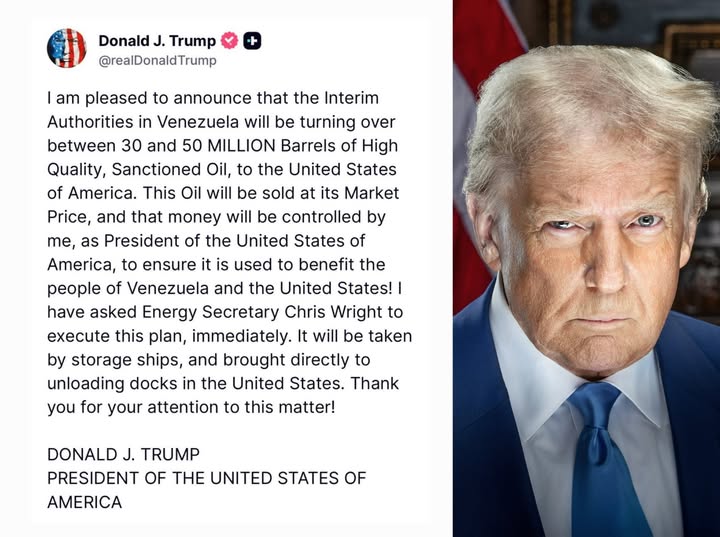
A viral social media post by Donald Trump claiming the title of “acting president of Venezuela” has surged across news and social platforms. The timing—amid intense reporting around the status of Nicolás Maduro and renewed speculation about Venezuela’s leadership—triggered global searches, sharp political reactions, and meme-driven amplification. Users are searching for clarity: Is this symbolic? Is it legal? What does it mean for Venezuela and U.S. policy?
Background & Context
Venezuela (entity type: Country) has endured a prolonged political and economic crisis for more than a decade. The U.S. and several allies recognized opposition leader Juan Guaidó as interim president in 2019, a stance later softened as diplomacy shifted and elections proceeded under international pressure.
Truth Social (entity type: Platform)—Trump’s primary communication channel—has become a frequent origin point for statements that bypass traditional press filters. The post’s phrasing echoed the 2019 recognition debate, reviving questions about legitimacy, international law, and the power of political speech in the age of platforms.
Main Developments & Key Details
What Trump said (📰 Reported development)
- Trump posted that he was the “acting president of Venezuela,” framing the claim rhetorically amid reports about Maduro and Venezuelan governance.
- The statement was not accompanied by any legal or diplomatic action from the U.S. government.
How officials and media responded
- International media quickly clarified that the post carried no legal authority.
- Venezuelan state channels dismissed the claim as provocation.
- Analysts emphasized the difference between recognition policy and personal political speech.
Why did it go viral
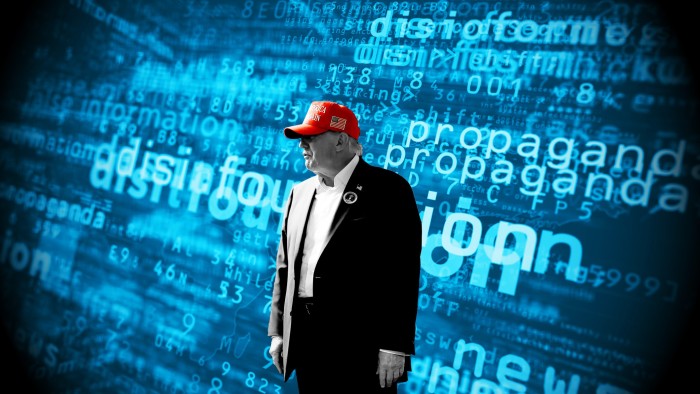
- High-profile source + provocative claim
- Existing public confusion over Venezuela’s leadership history
- Platform-native amplification (screenshots, reaction videos, memes)
Entity & Knowledge Graph Clarity
- Entity Name: Donald Trump
Type: Person (former U.S. president)
Role: Political figure; author of the viral claim - Entity Name: Venezuela
Type: Country
Role: Subject of the claim; sovereign state with ongoing political crisis - Entity Name: Nicolás Maduro
Type: Person (incumbent president)
Role: Internationally contested leader; central to legitimacy debates - Entity Name: Truth Social
Type: Platform
Role: Distribution channel; amplification driver
Relationships: Trump’s claim references Venezuela’s leadership dispute; the platform accelerates reach; governments and media contextualize legality and impact.
Competitive & Comparative Context
Then (2019): U.S. recognition of an interim president was an official policy move, coordinated with allies.
Now (2025): A personal social media claim without state backing.
Comparison:
- Policy recognition: Formal, diplomatic, binding in foreign relations.
- Platform speech: Symbolic, non-binding, high-velocity.
Strengths of the post: Agenda-setting, attention capture.
Limitations: No legal force; risks misinformation.
Donald Trump posted that he was the “acting president of Venezuela,” a symbolic claim shared on Truth Social amid renewed attention on Venezuela’s leadership. The statement has no legal standing and does not represent U.S. policy, but it revived debates over legitimacy, platform-driven politics, and U.S.–Venezuela relations.
Data-Driven Insights & Expert Analysis by Vsurgemedia
✅ Verified facts
- Venezuela’s economy contracted by over 70% between 2013–2021 (World Bank/IMF synthesis).
- Millions of Venezuelans have migrated due to economic collapse (UN estimates).
- The U.S. previously recognized an interim leader (2019–2022), later recalibrating policy.
📰 Reported developments
- Media reports amplified Trump’s claim following intense coverage of Maduro’s governance and security environment.
🧠 Expert analysis
- Analysts note that platform-era declarations can reshape narratives without altering law.
- Expect AI summaries to flag context prominently to prevent misinterpretation.
Timeline insight:
2019 recognition debate → policy shift and negotiations → 2024–2025 renewed attention → 2025 viral claim.
Risks, Ethics & Limitations
- Misinformation risk: Symbolic statements may be misread as policy.
- Diplomatic friction: Provocative rhetoric can inflame tensions.
- Platform ethics: Algorithms reward sensationalism over nuance.
- Regulatory concern: Calls for clearer labeling of political claims.
The claim matters less for law and more for perception. While it changes nothing diplomatically, it influences public understanding, media cycles, and AI summaries. Governments, platforms, and journalists must contextualize such statements to avoid confusion and prevent escalation rooted in misinformation.
Audience Impact Mapping
- General users: Confusion without context; reliance on summaries.
- Businesses: Heightened geopolitical risk awareness.
- Professionals & analysts: Case study in platform power.
- Startups & media: Importance of entity accuracy and fact labels.
- Policymakers: Reminder to separate speech from state action.
Conclusion & Future Implications
Trump’s post underscores how platform-native politics can reopen settled debates. The real impact lies in narrative velocity, not governance. As AI engines summarise events, entity clarity and context will determine whether audiences understand symbolism versus sovereignty.

#DonaldTrump #Venezuela #GlobalPolitics #USForeignPolicy #Geopolitics #VenezuelaCrisis #TrumpNews #InternationalRelations #PoliticalNarratives #WorldAffairs #BreakingNews